
Buyer Guide / 26 min read
High-Tech Toilet Features: Which Functions Matter Most?
Explore high-tech toilet features, from bidet washing and heated seats to auto flushing. Compare smart functions and choose the right model for your project.
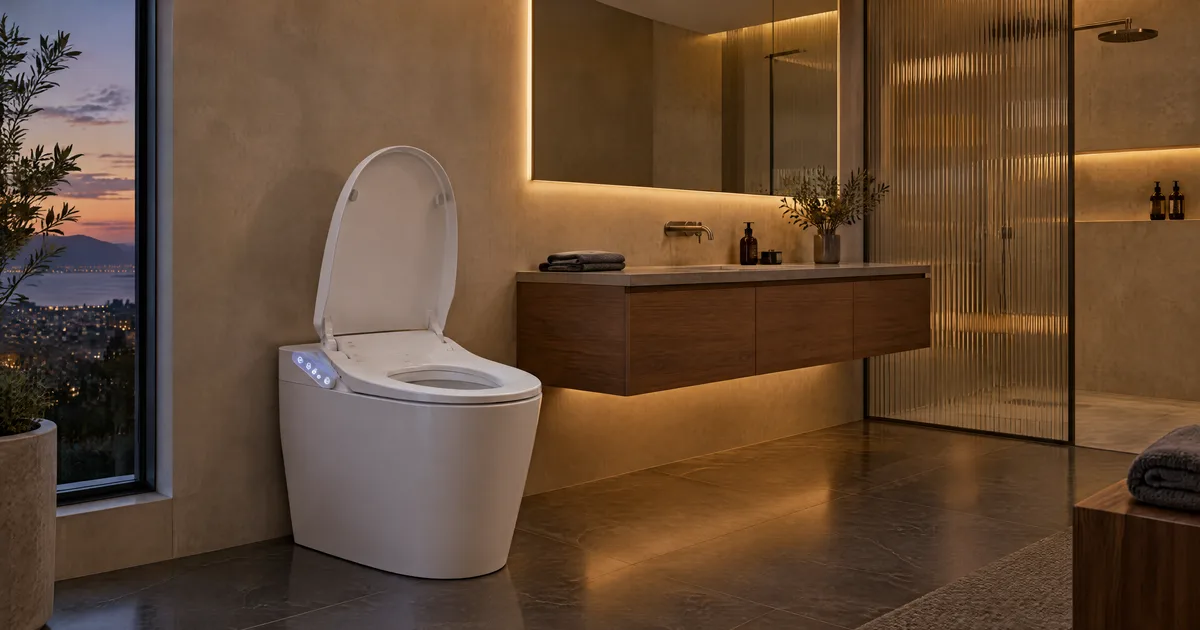
Key takeaways
- Separate essential comfort, convenience automation and premium differentiation before comparing feature counts.
- Adjustable bidet washing, heated seating, warm-air drying and simple controls deliver most of the everyday value.
- The A17 and A18 share a 305 mm platform and 110–130V configuration; the A18 adds microwave-sensing automatic lid operation.
- Installation compatibility — voltage, rough-in, water pressure and service access — outranks any optional feature.
B2B sourcing checklist
Move from research to a model-specific quotation
Use the resources below to confirm specifications, compliance scope, order terms and delivery timing before requesting a quote.
High-tech toilets are changing how people experience everyday bathroom comfort. What was once a simple plumbing fixture can now combine electronic bidet washing, heated seating, automatic flushing, warm-air drying, and touchless controls in one integrated product.
But with so many advanced toilet features available, an important question arises: which smart toilet functions are genuinely useful, and which are optional luxury upgrades?
The answer depends on how and where the toilet will be used.
A homeowner renovating a bathroom may prioritize adjustable washing and heated seating. A hotel operator may place greater importance on intuitive controls, reliable automatic flushing, and easy maintenance. A bathroom distributor may need a product range that balances customer demand, technical compatibility, and long-term support.
Some expensive features may be valuable in one setting but unnecessary in another.
This guide explains the most important high-tech toilet features, how they work, their practical benefits, and what buyers should evaluate before choosing a model.
It also compares real integrated smart toilet configurations from Lavilys to help residential and commercial buyers make informed decisions.
What Makes a Toilet High-Tech?
A high-tech toilet is a toilet that incorporates electronic controls, automated functions, or advanced user-comfort technologies beyond conventional flushing.
Unlike a traditional toilet, a high-tech toilet may include:
- Built-in bidet washing
- Adjustable water temperature and pressure
- Heated toilet seats
- Warm-air drying
- Automatic flushing
- Automatic lid opening and closing
- Foot-operated sensors
- Self-cleaning bidet nozzles
- Deodorization systems
- LED night lights
- User memory settings
- Advanced water-heating and flushing systems
These functions are typically managed through internal electronic components, sensors, and control interfaces.
Some models allow users to control basic functions through a side-mounted knob, while more advanced models may offer a wireless remote or automatic sensor operation.
However, not every electronic toilet includes every feature.
A model with heated seating and bidet washing can be useful even without an automatic lid, voice control, or decorative lighting.
The best high-tech toilet is not necessarily the one with the most functions. It is the one with the right combination of functionality, compatibility, reliability, and ease of use.
For an introduction to the technology, read what a smart toilet is and how it works.
High-Tech Toilet Features at a Glance
Before examining individual technologies, it helps to separate features into three practical categories.
Essential Everyday Functions
These features deliver the main comfort and convenience benefits that many buyers expect from an electronic bidet toilet.
| Feature | Main Benefit | Suggested Priority |
|---|---|---|
| Adjustable bidet washing | Personalized water-based cleansing | Essential |
| Heated toilet seat | Improved seating comfort | High |
| Instant warm-water heating | Comfortable washing without waiting for stored hot water | High |
| Warm-air drying | Convenient drying after washing | High |
| Self-cleaning nozzle | Simplified nozzle care | High |
| Simple controls | Easier operation for different users | Essential |
Convenience and Automation Features
These features improve the user experience but are not equally important for every application.
| Feature | Main Benefit | Suggested Priority |
|---|---|---|
| Automatic flushing | Reduces manual operation | High for premium projects |
| Foot-sensor control | Convenient hands-free operation | Medium to high |
| Automatic lid | Touchless convenience | Premium |
| LED night light | Better nighttime visibility | Medium |
| Deodorization | Additional odor-control function | Medium |
| User memory | Easier access to preferred settings | Optional |
Advanced Premium Features
Some higher-end models offer additional technologies, including UV-based cleaning components, foam shields, decorative lighting, aromatherapy, or voice control.
These features may help differentiate premium product ranges, but their value depends on the target market.
Buyers should verify how each function operates and whether the claimed benefits are supported by model-specific documentation.
1. Adjustable Bidet Washing: The Most Important Smart Toilet Feature
For many buyers, adjustable bidet washing is the defining feature of a high-tech toilet.
A conventional toilet primarily handles waste disposal. An electronic bidet toilet adds a water-based personal cleansing system.
The washing function generally uses a retractable nozzle that extends into position when activated.
Water is delivered through the nozzle at a controlled pressure and temperature.
Depending on the model, users may be able to choose between several washing modes.
Rear Washing
Rear washing directs a controlled stream of water toward the rear cleansing area.
This is one of the most common functions in integrated electronic bidet toilets.
Front Washing
Front washing, sometimes referred to as feminine washing, is designed to provide a different nozzle position and spray pattern.
It can offer additional washing flexibility for users with different preferences.
Moving or Oscillating Washing
Moving washing changes the nozzle position during operation.
This allows the water stream to cover a wider area without requiring the user to reposition manually.
Adjustable Water Pressure
Water-pressure control allows users to select a gentler or stronger washing experience.
This is particularly important because personal preferences vary.
A model offering meaningful pressure adjustment may provide a more comfortable experience than one with numerous preset modes but limited control.
Adjustable Nozzle Position
Forward and backward nozzle adjustment helps accommodate different seating positions.
Together with pressure and temperature settings, nozzle positioning makes the washing experience more customizable.
Why This Feature Matters
For homeowners, adjustable washing can improve everyday convenience.
For hotel operators, clearly labeled washing controls can help make the system accessible to guests unfamiliar with smart toilets.
For retailers, washing performance is one of the most important functions to demonstrate in a showroom.
Buying recommendation: Prioritize reliable washing performance and adjustable controls before selecting optional decorative or entertainment features.
2. Heated Toilet Seat: Everyday Comfort
A heated seat is one of the most immediately noticeable features of a high-tech toilet.
The seat contains an integrated heating component controlled by the electronic system.
Users can select a preferred temperature on compatible models.
This feature is particularly appealing in colder climates or bathrooms where ceramic fixtures feel cold during the winter.
However, a quality heated-seat system involves more than reaching a high temperature.
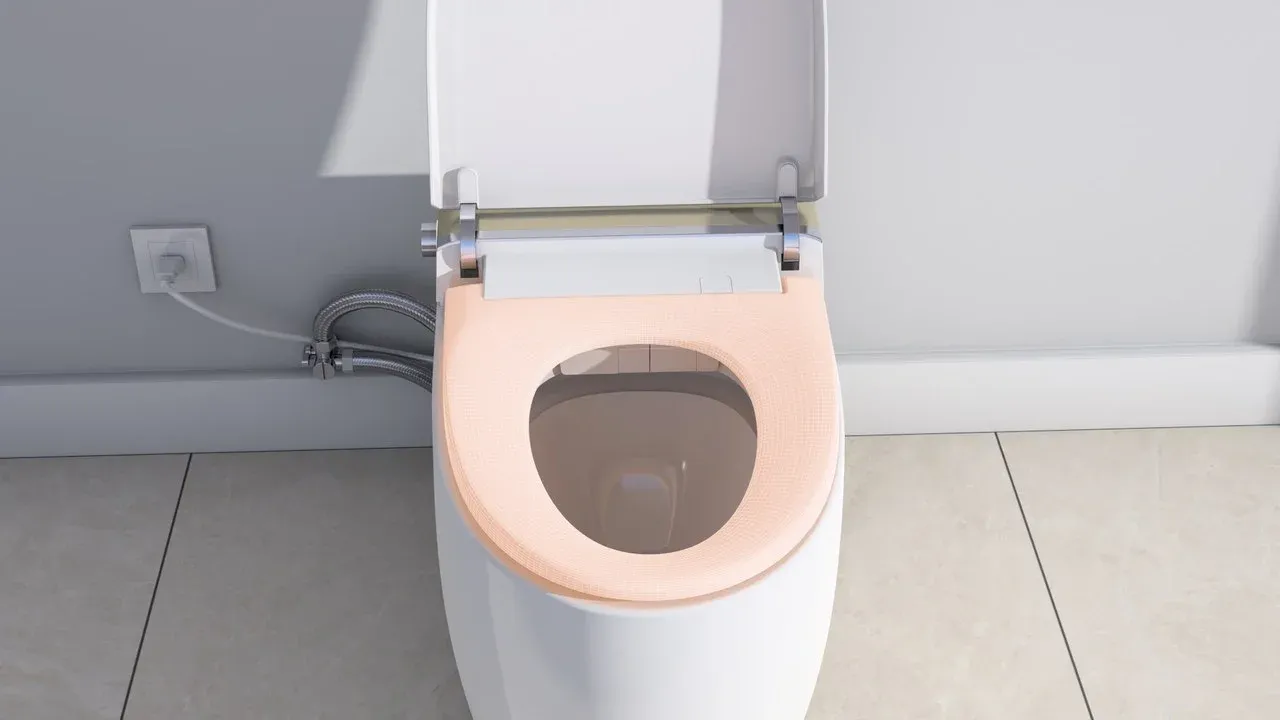
Important design considerations include:
- Adjustable temperature levels
- Stable temperature control
- Protection against excessive heating
- Energy-saving operation
- Comfortable seat materials
For example, the Lavilys A17 Integrated Smart Toilet includes a three-level heated-seat system.
Its documented design also includes a temperature-reduction function after extended seating, intended to reduce the risk associated with prolonged heat exposure.
Is a Heated Seat Worth It?
For many residential buyers, a heated seat provides a straightforward improvement in comfort.
For hospitality projects, the value depends on the guest profile, climate, and room positioning.
A heated seat may be highly desirable in a luxury hotel in a cold climate but less important in a budget-focused property in a warm region.
Distributors should therefore consider local customer preferences when determining which models to stock. Our bathroom retailer and distributor programme covers how sample ranges and spare-part support are handled.
3. Instant Water Heating: Comfortable Bidet Washing
Warm-water washing is another important feature in modern smart toilets.
Electronic bidet systems generally use one of two heating approaches: stored heated water or instant water heating.
Stored-Water Heating
A storage-based system maintains a quantity of heated water in a reservoir.
This can provide warm water immediately, but the available volume may be limited by the reservoir size.
Instant Water Heating
An instant-heating system warms water as it passes through the heating component.
This reduces dependence on a stored hot-water reservoir.
However, actual temperature stability and available flow depend on heating capacity, inlet-water temperature, and product design.
Instant heating should not be interpreted as unlimited hot water under every operating condition.
What Buyers Should Check
When evaluating a water-heating system, confirm:
- Available temperature settings
- Heating method
- Maximum electrical power
- Water flow during washing
- Temperature-control protection
- Performance under expected inlet-water conditions
For North American projects, the heater’s electrical requirements must match the approved installation circuit.
Lavilys models such as the W1 include documented instant-heating functions and adjustable wash-water temperatures.
Buying recommendation: Prioritize stable, adjustable water temperature over the number of heating-related marketing features.
4. Warm-Air Drying: Completing the Washing Experience
Warm-air drying operates after the bidet washing cycle.
A built-in fan and heating system direct warm air toward the user.
Depending on the model, users may be able to adjust the drying temperature.
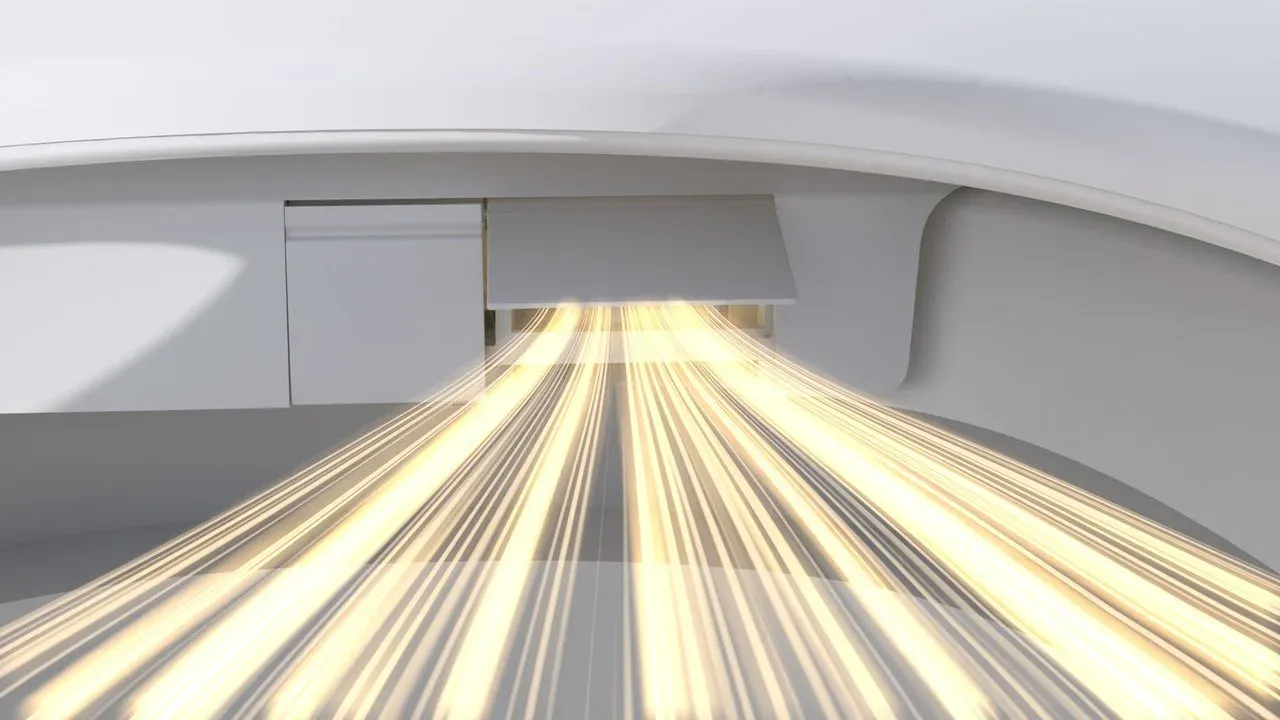
This function can reduce reliance on toilet paper, although it may not eliminate paper use for every individual.
What Makes a Good Warm-Air Dryer?
Consider four practical factors.
Temperature control: Users should be able to select a comfortable setting.
Airflow: The dryer should deliver sufficient airflow for its intended use.
Operating time: Buyers should understand how long a normal drying cycle takes.
Noise: Fan noise may matter in quiet residential bathrooms and premium hotel guestrooms.
A dryer that advertises multiple temperature settings is not necessarily more effective than a simpler dryer with well-designed airflow.
For hospitality properties, ease of use can be particularly important because guests may not be familiar with electronic toilet controls.
Is Warm-Air Drying Essential?
For an integrated smart toilet positioned as a complete washing-and-drying solution, warm-air drying is usually a valuable feature.
For an entry-level electronic bidet seat, buyers may choose a simpler configuration depending on budget and market demand.
5. Automatic Flushing: Touchless Convenience
Automatic flushing is one of the most recognizable high-tech toilet functions.
Depending on the design, sensors detect occupancy or the completion of use and activate the flushing system.
Some models flush when the user stands up or leaves, while others rely on a foot sensor or manual control.
Benefits of Automatic Flushing
Automatic flushing can reduce the need to touch a flush handle.
It can also make operation more convenient for users who prefer hands-free controls.
For hotels and shared bathrooms, this may contribute to a more modern user experience.
However, automatic flushing does not eliminate the need for routine cleaning.
Important Performance Considerations
Automatic flushing should be evaluated separately from flushing performance.
A sensor does not determine whether the toilet can remove waste effectively. For the full sensor-to-valve sequence, read how automatic flush toilets work.
Buyers should verify:
- Flush volume
- Flushing mechanism
- Available water pressure
- Sensor reliability
- Manual flushing alternatives
- Behavior during a power outage
Some electronically controlled toilets provide backup or manual flushing functions, but these vary by model.
Does Automatic Flushing Save Water?
Not necessarily.
A toilet with automatic flushing may use more or less water depending on the rated flush volume and how often the mechanism activates.
The U.S. Environmental Protection Agency’s WaterSense program evaluates eligible toilet models for water efficiency and flushing performance.
A WaterSense-labeled toilet must meet the applicable specification, including an effective flush volume of no more than 1.28 gallons per flush.
Automatic flushing itself is not evidence of WaterSense certification.
Buyers can review the EPA WaterSense Toilet Guidance for further information.
6. Automatic Lid Opening and Closing
An automatic lid is a premium feature that allows the toilet lid to open or close through sensors and electronic controls.
Depending on the model, the system may detect an approaching user or respond to a foot-operated sensor.
This reduces the need to touch the toilet lid.
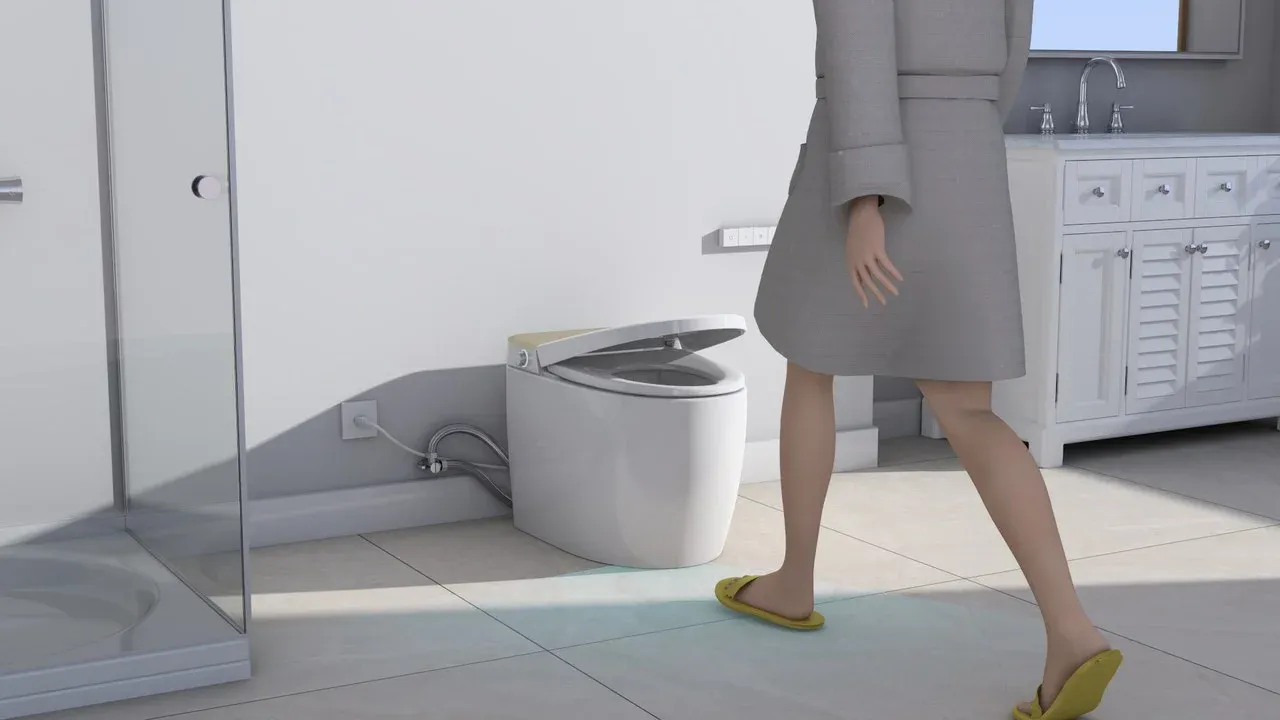
How Does Automatic Lid Technology Work?
Some designs use infrared sensing, while others use microwave or different proximity-detection methods.
The sensor sends a signal to the electronic control system, which operates the lid mechanism.
The detection range, activation conditions, closing delay, and manual override options differ between models.
When Is an Automatic Lid Worth It?
An automatic lid is most valuable when touchless convenience is part of the desired experience.
Potential applications include:
- Premium residential bathrooms
- Luxury hotel guestrooms
- High-end bathroom showrooms
- Smart-home demonstration projects
For basic residential renovation, this feature may be less important than washing performance, seat heating, or installation compatibility.
Lavilys A17 vs A18: A Practical Example
The Lavilys A17 and A18 provide a useful comparison.
Both models share an integrated design, a 305 mm rough-in, and a documented North American electrical configuration.
However, the A18 adds microwave-sensing automatic lid operation.
This makes it suitable for a higher-tier offering where hands-free convenience is a key selling point.
For a retail showroom, presenting the A17 and A18 together can help customers understand the difference between essential comfort and premium automation.
Compare the Lavilys A17 and A18 Smart Toilet.
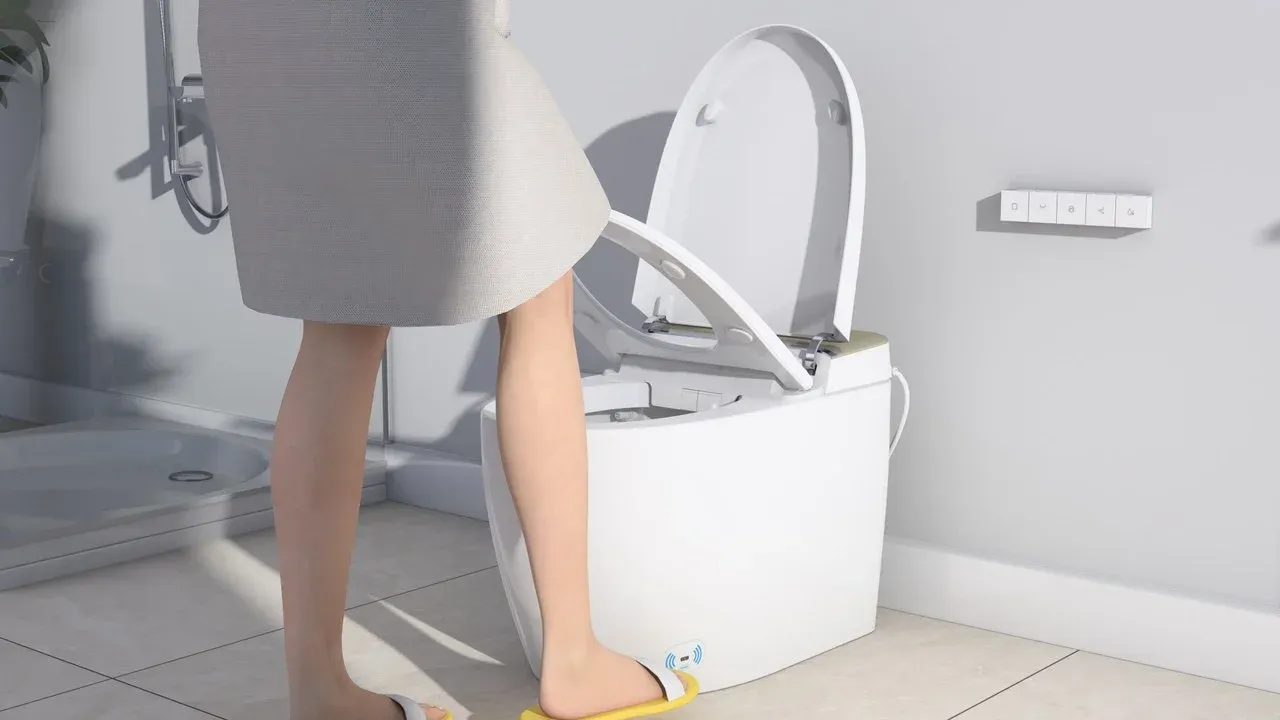
7. Foot-Sensor Operation: A Useful Alternative to Automatic Lids
A foot sensor allows certain toilet functions to be activated without touching a hand-operated control.
Depending on the model, a foot sensor may operate the lid, toilet seat, or flushing system.
This provides another method of hands-free interaction.
Advantages
Foot-operated functions can be convenient when users do not want to touch the toilet controls.
They also provide an alternative to using a remote.
Limitations
Foot-sensor systems require appropriate sensor placement and reliable activation.
Buyers should verify whether the sensor responds consistently under normal bathroom conditions.
In commercial installations, the location of the sensor should also be considered in relation to cleaning procedures and accessibility requirements.
Best Applications
Foot-sensor functions can be useful for premium residential bathrooms, hospitality projects, and product demonstrations.
However, they should supplement rather than replace convenient manual controls.
A simple physical control remains valuable when automatic operation is unavailable or difficult to use.
8. Self-Cleaning Nozzle and Hygiene-Related Features
Many electronic bidet toilets include self-rinsing nozzles.
The nozzle may automatically rinse before or after the washing cycle, depending on the product.
This helps with routine nozzle care.
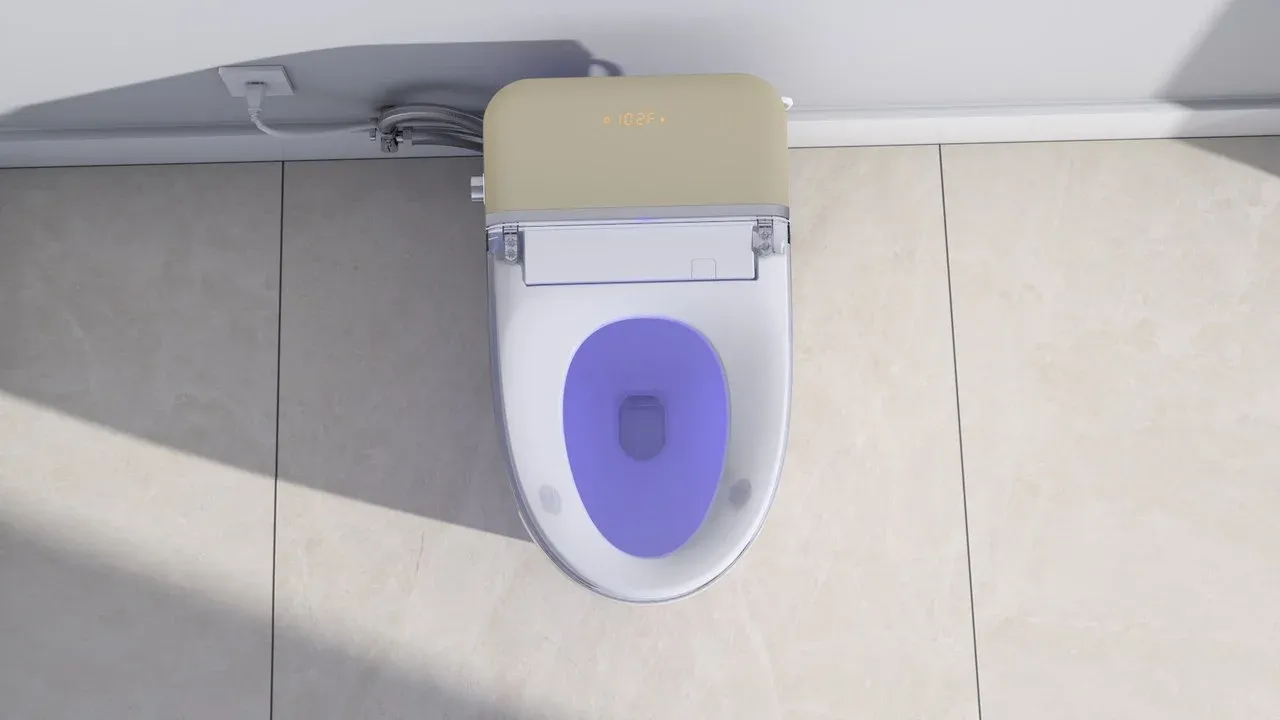
Some advanced models also include technologies such as UV-based cleaning components or materials described as antimicrobial.
Self-Rinsing vs Sterilization
These terms should not be treated as equivalent.
A self-rinsing function uses water to clean the nozzle surface.
A UV-based system may be designed to reduce microorganisms under specified conditions, but its effectiveness depends on the system design, exposure conditions, and supporting test evidence.
An antimicrobial material claim also requires appropriate technical substantiation.
Neither function makes a toilet permanently germ-free.
What Buyers Should Prioritize
A well-designed self-cleaning nozzle should be:
- Easy to maintain
- Accessible for approved cleaning procedures
- Protected when not in use
- Supported by clear maintenance instructions
- Constructed from materials suitable for the intended application
For hotels and multi-family developments, cleaning accessibility and replacement-part availability may be more important than adding several overlapping hygiene-related claims.
Buying recommendation: Treat nozzle self-rinsing as a useful everyday feature. Evaluate advanced sterilization claims only when model-specific evidence is available.
9. Built-In Deodorization Systems
Some premium smart toilets include deodorization systems intended to reduce odors around the fixture.
A system may use an internal fan, activated-carbon component, or another treatment method.
For example, the Lavilys A18 includes an activated-carbon deodorization function in its documented feature set.
What Are the Benefits?
Deodorization can contribute to user comfort, particularly in enclosed bathrooms.
However, performance depends on the actual system and maintenance condition.
A deodorization module should not be considered a replacement for bathroom ventilation.
What Should Buyers Verify?
Ask whether the system uses a replaceable filter or another serviceable component.
If consumables are required, confirm their availability, expected service intervals, and replacement procedure.
For hotel procurement, maintenance requirements can affect long-term operating costs. Review after-sales and replacement-part support during specification rather than after installation.
10. LED Night Lights and Ambient Lighting
Lighting is a relatively simple but practical smart toilet feature.
A built-in night light provides soft illumination around the toilet or bowl.
This can make nighttime bathroom visits more convenient without requiring full bathroom lighting.
Certain higher-end products also include decorative ambient lighting.
Functional vs Decorative Lighting
Functional night lighting is intended to improve visibility.
Decorative lighting is primarily an aesthetic feature.
For residential and hospitality applications, soft and unobtrusive lighting is often more practical than elaborate lighting effects.
Is It Worth Paying Extra?
A night light can be a useful secondary feature, especially when included with a broader comfort package.
However, it should not be prioritized ahead of flushing performance, electrical compatibility, or reliable washing functions.
11. Smart Controls, Remote Operation and User Memory
A high-tech toilet can provide several different control methods.
The most common include:
- Side-mounted knobs
- Side control panels
- Wireless remote controls
- Automatic sensors
- User memory settings on compatible models
Side Knob Controls
A physical side knob provides a simple way to access basic functions.
This can be especially useful for users who prefer direct controls.
Wireless Remote Controls
A remote can provide access to more advanced settings, including washing mode, nozzle position, water temperature, and drying.
However, the controls should be intuitive and clearly labeled.
User Memory
Some smart toilets can store preferred settings.
For households with multiple users, memory functions may reduce the need to repeatedly adjust controls.
However, not every model includes individual user profiles.
Which Control System Is Best?
For many applications, a combination of physical and remote controls provides practical flexibility.
In hospitality projects, intuitive operation is especially important because guests may only use the toilet for a short period. In accessible guestrooms, the reach range and operating force of controls should also be checked against the ADA Standards for Accessible Design.
For residential projects, the preferred control system may depend on the users’ familiarity with electronic appliances.
When comparing products, evaluate whether the controls are easy to understand—not simply how many control methods are advertised.
12. Flushing Performance, Water Efficiency and Backup Operation
Advanced comfort features cannot compensate for poor flushing performance.
For any high-tech toilet, the underlying flushing system must work reliably under the intended installation conditions.
Buyers should review three important areas.
Flushing Performance
Compare the documented flushing mechanism, flush volume, and applicable performance-test evidence.
A strong marketing description does not establish actual waste-removal capability.
Water-Pressure Compatibility
Different smart toilet designs have different water-pressure requirements.
For example, the Lavilys W1 is documented with a 0.06–0.75 MPa pressure range for its tank-equipped configuration and a 0.15–0.75 MPa static-pressure range without a tank.
The correct configuration depends on the installation site.
A toilet with an advanced automatic lid can still be unsuitable if the plumbing system does not meet its required operating conditions.
Power-Outage Operation
Some smart toilets offer backup flushing or mechanical alternatives during a power outage.
However, normal electronic comfort features may remain unavailable without electricity.
The exact backup behavior must be verified in the product manual.
For a more detailed explanation of supply configurations, read tankless toilet pros and cons.
Which High-Tech Toilet Features Are Actually Worth Paying For?
The most important smart toilet features depend on the buyer’s priorities.
For practical purchasing decisions, the following hierarchy can be useful.
First Priority: Core Performance and Compatibility
Before comparing luxury functions, verify that the toilet is compatible with the installation site.
This includes:
- Correct voltage and electrical protection
- Compatible rough-in distance
- Sufficient water pressure and flow
- Reliable flushing performance
- Appropriate product dimensions
- Suitable installation and maintenance access
These conditions are essential.
A premium toilet with incompatible plumbing is not a good purchase. The installation requirements checklist covers rough-in, pressure, power and clearance measurements in detail.
Second Priority: Everyday Comfort Features
Once installation compatibility is established, focus on the functions most likely to be used regularly.
For many customers, this includes adjustable bidet washing, temperature control, heated seating, warm-air drying, and intuitive controls.
These functions create much of the practical difference between an ordinary toilet and an electronic bidet toilet.
Third Priority: Convenience Features
Automatic flushing, foot-sensor control, night lights, and deodorization can improve the experience.
Their value depends on the target market and intended application.
Fourth Priority: Premium Differentiation
Automatic lids, user memory, advanced cleaning technologies, and decorative lighting can help position a premium product.
However, these features should be evaluated against their additional cost, service requirements, and expected user demand.
Best Smart Toilet Features for Different Applications
A high-tech toilet designed for a luxury residence may not be the ideal model for a hotel or apartment project.
Professional buyers should determine which functions deliver the most practical value for their application.
| Application | Highest-Priority Features | Optional Upgrades |
|---|---|---|
| Everyday residential bathroom | Adjustable bidet, heated seat, warm-air drying, simple controls | Automatic lid, night light |
| Luxury residence | Full washing controls, heated seat, auto flush, premium design | Auto lid, deodorization, memory |
| Hotel guestroom | Intuitive controls, reliable flushing, easy cleaning | Foot sensor, auto lid, deodorization |
| Multi-family apartment | Consistent specifications, reliable flushing, serviceability | Night light, automatic controls |
| Bathroom retail showroom | Demonstrable washing, heating, drying and controls | Automatic lid for premium upselling |
| Renovation using existing toilet | Compatible electronic bidet seat, adjustable washing | Heated seat, drying, remote control |
These are recommended selection priorities, not universal specifications.
The actual product should be selected according to the intended users, installation environment, available budget, and model-specific documentation.
For Luxury Residential Bathrooms
A premium residential customer may value a complete smart toilet experience.
Heated seating, automatic lids, adjustable washing, warm-air drying, and attractive integrated design can all contribute to the desired experience.
A model such as the Lavilys A18 may be worth evaluating when automatic lid operation is a priority.
For Hotels
Hotel operators should consider features from both the guest’s and the maintenance team’s perspectives.
Automatic functions can create a premium impression, but unfamiliar controls may cause confusion.
Simple operating instructions, standardized controls, easy cleaning, and replacement-part support should be considered alongside luxury features. Hospitality buyers can review the hotel smart bathroom specification guide and our hotel supply programme.
For Apartment Developments
In multi-family projects, consistency is often more valuable than an extensive feature list.
Developers may need to equip dozens or hundreds of bathrooms using compatible models.
Standardized controls, verified installation dimensions, and a manageable replacement-parts program can help reduce maintenance complexity. Construction project support can coordinate unit types, plumbing zones and phased deliveries before the specification is fixed.
For Distributors and Retailers
Retail buyers should consider stocking models that are easy to explain and demonstrate.
A practical assortment might include an integrated model with core comfort functions and a premium model with automatic lid operation.
This provides a clear comparison without requiring an unnecessarily large number of products.
Comparing Real High-Tech Toilet Models from Lavilys
Lavilys supplies integrated smart toilets with different comfort functions, controls, and installation configurations.
The following comparison illustrates how features can be matched to buyer requirements.
Lavilys A17: Core Comfort and Practical Controls
The Lavilys A17 Integrated Smart Toilet is designed around a U-shaped integrated ceramic body with siphon jet flushing.
Its documented functions include:
- Rear and bidet washing
- Heated seat
- Adjustable warm-air drying
- Foot-sensor flushing
- Side knob and remote control
- Activated-carbon deodorization
- LED night light
The A17 has a documented 110–130V North American electrical configuration and a 305 mm rough-in.
It can be considered for projects that prioritize integrated design, core electronic comfort, and practical controls without making an automatic lid the main selling point.
Lavilys A18: Premium Touchless Convenience
The Lavilys A18 Integrated Smart Toilet builds on the A17 platform with additional automatic operation.
Its documented functions include:
- Microwave-sensing automatic lid
- Foot-sensor operation
- Adjustable bidet washing
- Heated seat
- Warm-air drying
- Remote and side controls
- Activated-carbon deodorization
- LED night light
The A18 shares the A17’s documented 305 mm rough-in and North American electrical configuration.
For bathroom showrooms, A17 and A18 can provide a straightforward comparison between core comfort and premium automation.
Lavilys W1: Configuration and Installation Flexibility
The Lavilys W1 Integrated Smart Toilet offers another combination of electronic features.
Its published product information includes:
- Rear and front washing
- Moving washing
- Instant water heating
- Heated seat
- Warm-air drying
- Self-cleaning nozzle
- Foot-sensor operation
- Side knob and remote control
- Night light
The W1 is documented with a 110V AC ±10% electrical configuration and 300 mm or 400 mm rough-in options.
It also provides different water-pressure requirements depending on whether the selected configuration includes a water tank.
This illustrates why installation flexibility can sometimes matter more than adding another premium function.
Lavilys Smart Toilet Feature Comparison
| Feature | A17 | A18 | W1 |
|---|---|---|---|
| Integrated design | Yes | Yes | Yes |
| Bidet washing | Yes | Yes | Yes |
| Heated seat | Yes | Yes | Yes |
| Warm-air drying | Yes | Yes | Yes |
| Remote control | Yes | Yes | Yes |
| Side knob | Yes | Yes | Yes |
| Foot-sensor operation | Yes | Yes | Yes |
| Automatic lid | Not listed as standard | Yes | Listed in current model configuration |
| Electrical configuration | 110–130V | 110–130V | 110V AC ±10% |
| Rough-in | 305 mm | 305 mm | 300 / 400 mm |
This comparison is based on the currently published product information. Available functions, options, approvals, and final configuration must be confirmed against the exact model being ordered.
Explore the complete Lavilys Smart Toilet Collection for additional specifications and model options.
High-Tech Toilet vs Electronic Bidet Seat: Do You Need a Complete Replacement?
A fully integrated high-tech toilet is not the only way to add smart bathroom functionality.
An electronic bidet seat can provide several core comfort features while retaining the existing ceramic toilet.
Depending on the model, an electronic bidet seat may offer washing, heated seating, warm-air drying, and adjustable controls.
Choose an Integrated Smart Toilet When:
- A new bathroom is being constructed.
- A complete toilet replacement is already planned.
- Integrated aesthetics are important.
- The project requires a coordinated smart toilet design.
- The selected model offers desired automatic features.
Consider an Electronic Bidet Seat When:
- The existing toilet is in good condition.
- A full replacement is unnecessary.
- The project prioritizes washing and seat-comfort upgrades.
- The existing bowl and electrical installation are compatible.
- The buyer wants to limit plumbing modifications.
Compatibility remains essential.
The existing toilet’s bowl shape, mounting-hole spacing, rear clearance, and water connection must match the electronic seat.
Browse Lavilys Smart Toilet Seats or read the bidet seat vs integrated smart toilet comparison.
What Should Wholesale Buyers Check Beyond Smart Features?
For distributors, contractors, hotel procurement teams, and property developers, feature comparisons are only one part of the purchasing process.
Several technical and commercial factors should be reviewed before ordering.
1. Electrical Compatibility
Check the voltage, frequency, plug type, power rating, and installation requirements for the exact model.
North American installations generally use 120V nominal electrical systems, but the approved appliance voltage range must match the product documentation.
Grounding and GFCI protection should follow applicable electrical requirements.
Read the North American smart toilet voltage guide.
2. Rough-In and Plumbing Conditions
Verify the distance from the finished wall to the center of the floor drain.
Also confirm inlet connections, water pressure, water flow, and bathroom clearances.
Never assume two integrated smart toilets have identical installation requirements because their external shapes look similar.
3. Model-Specific Certification
North American projects may require evidence covering plumbing, electrical safety, electronic emissions, or water efficiency.
These requirements should be evaluated separately.
For example, cUPC documentation addresses plumbing compliance, while electrical approvals and FCC requirements concern different aspects of the product.
WaterSense labeling is a separate efficiency and performance designation.
Buyers should confirm that the relevant documents cover the exact model and configuration.
See the Lavilys smart toilet certification guide. Model-level datasheets and dimension drawings are available in the technical document library.
4. Product Maintenance
A premium electronic toilet can contain multiple serviceable components.
Important maintenance considerations include:
- Nozzle care
- Water filtration, where applicable
- Remote-control replacement
- Sensor operation
- Heating-system troubleshooting
- Replacement-part access
- Approved cleaning procedures
For commercial buyers, maintenance planning should begin before installation rather than after a failure occurs. The smart toilet troubleshooting guide covers safe first checks for flushing, washing, heating, remote and leak symptoms.
5. Warranty and After-Sales Support
Confirm warranty coverage, replacement-part availability, technical-support arrangements, and the process for reporting a product defect.
In multi-unit projects, standardizing the installed model can simplify technical training and spare-parts planning.
6. Sample Testing Before Bulk Procurement
A sample unit provides an opportunity to evaluate real functions.
A showroom or project pilot can be used to assess:
- Washing performance and adjustments
- Seat-heating comfort
- Warm-air drying
- Flushing performance
- Sensor responsiveness
- Control simplicity
- Noise and operating behavior
- Cleaning and service access
Testing under the intended installation conditions can reveal issues that are not apparent from a catalog.
For a complete procurement process, see the smart toilet buying guide for distributors.
Frequently Asked Questions About High-Tech Toilets
Short answers to the most common buyer questions are below. The procurement and technical FAQ covers model-level fitment, compliance and spare-parts questions.
What features does a high-tech toilet have?
A high-tech toilet may include adjustable bidet washing, heated seating, instant water heating, warm-air drying, automatic flushing, self-cleaning nozzles, automatic lids, foot sensors, deodorization, and remote controls. The actual functions depend on the model.
What is the most important feature of a smart toilet?
Adjustable bidet washing is one of the defining comfort functions of an electronic bidet toilet. However, reliable flushing performance, electrical compatibility, water-pressure requirements, and installation fit are even more fundamental when selecting the correct product.
Are automatic lid toilets worth it?
Automatic lids can be valuable in premium bathrooms where touchless convenience is a priority. However, they are optional for many buyers. A toilet with strong washing performance, comfortable heating, and reliable controls can still provide an excellent experience without automatic lid operation.
Do all high-tech toilets have heated seats?
No. Many electronic bidet toilets include heated seats, but this is not universal. Buyers should confirm that seat heating is included in the exact configuration being purchased.
Can a high-tech toilet flush automatically?
Many integrated smart toilets offer automatic flushing, but not every model does. Some also provide remote-control, side-button, or foot-sensor flushing. The available methods depend on the electronic and mechanical design.
Do smart toilets clean themselves?
Some smart toilets include self-rinsing nozzles, bowl-rinsing functions, or other cleaning technologies. However, these functions do not eliminate the need for manual cleaning and maintenance. Buyers should distinguish self-rinsing features from independently substantiated sterilization claims.
Do high-tech toilets use a lot of electricity?
Electricity consumption depends on the model’s heating system, seat-heating settings, dryer operation, standby consumption, and frequency of use. Buyers should review rated power, operating modes, and any documented energy-consumption data rather than assuming all smart toilets consume the same amount.
Can high-tech toilets work during a power outage?
Some models provide manual or backup flushing, but electronic comfort functions generally require power. Buyers should verify the exact emergency-flushing behavior in the model-specific manual.
Are high-tech toilets suitable for hotels?
Yes, when appropriately specified. Hotel buyers should prioritize intuitive controls, flushing reliability, consistent installation conditions, cleaning accessibility, and replacement-part support. Premium features such as automatic lids can be selected according to the hotel’s positioning and budget.
Which smart toilet features should distributors prioritize?
Distributors should generally prioritize reliable washing, temperature control, heated seating, warm-air drying, simple controls, and verified installation compatibility. Automatic lids, foot-sensor functions, and other premium features can help create differentiated higher-tier product offerings.
Final Thoughts: Choose Useful Technology, Not Just More Technology
High-tech toilets offer a wide range of advanced functions, but their real value comes from how those features improve everyday bathroom use.
For many buyers, adjustable washing, comfortable seat heating, warm-air drying, and reliable flushing provide the strongest foundation.
Automatic lids, foot sensors, deodorization, and other premium functions can add convenience and differentiation.
However, these upgrades should not take priority over technical compatibility, product quality, and long-term serviceability.
For residential buyers, the right product should combine comfort with practical installation requirements.
For hotel operators and property developers, it should also support consistent operation, easy maintenance, and suitable project specifications.
For distributors, the best product range should make it easy for customers to understand the difference between essential comfort and premium automation.
A well-designed high-tech toilet is not defined by the number of features it advertises, but by how effectively its functions meet the user’s real needs.
Explore High-Tech Smart Toilets from Lavilys
Lavilys supplies integrated smart toilets and electronic bidet seats for bathroom distributors, retailers, residential projects, and hospitality developments.
Our product range includes different combinations of adjustable washing, heated seating, warm-air drying, touchless functions, and installation configurations.
Whether you are preparing a premium showroom assortment or comparing products for a multi-unit project, our team can help identify suitable models for further technical review.
Request a Smart Toilet Recommendation or Wholesale Quotation
To help us recommend an appropriate configuration, send your requirements to our team and provide:
- Destination country or market
- Required quantity
- Application: retail, hotel, apartment, or residential
- Required rough-in measurement
- Available water pressure
- Electrical supply
- Preferred smart toilet functions
- Certification or technical-document requirements
Our team can review your requirements and provide relevant model information, available configurations, and quotation details.
Lavilys — Smart Living Begins in the Bathroom.
Related pages
Referenced models
Products discussed in this article
A17 Integrated Smart Toilet
U-shaped integrated smart toilet with siphon jet flushing, foot-sensor operation and a full comfort function set — CUPC, UL and FCC certified for the North American market.
View specifications Smart ToiletA18 Integrated Smart Toilet
A17 sibling with microwave-sensing auto lid and foot-sensor operation — adds hands-free open/close for hospitality and premium residential use.
View specifications Smart ToiletW1 Integrated Smart Toilet
A compact 110V integrated model with direct side control, temperature feedback and a documented comfort function set.
View specificationsNext step
Send us the project details
Share the market, quantity, site conditions and documentation you need. Our technical team confirms configuration and compliance scope before anything is quoted.